
• Binary Awareness: 1010.1101.11000

    March is Brain Injury Awareness Month, a time usually marked by blue ribbons. But as someone who spends my days in the world of IT, I wanted to create a symbol that felt a bit more “me.”

    This past Saturday, with the weather finally hitting that perfect Kansas spring vibe, I pulled the truck into the garage for a project I’ve been planning for a while.
    The Code on the Quarter Panel

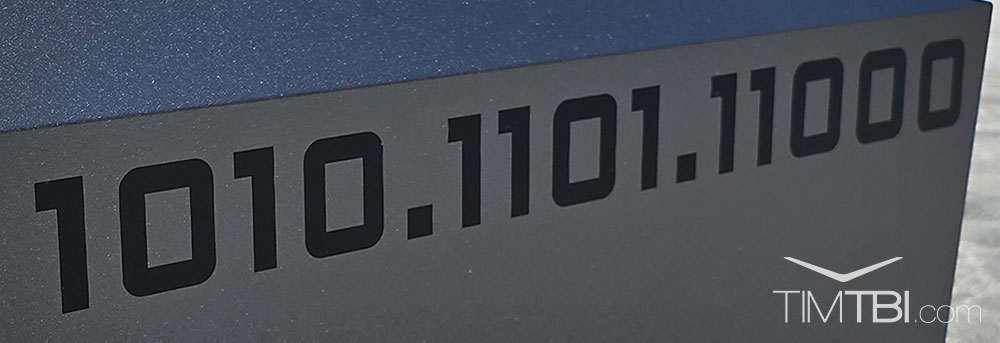
    If you see me driving around Lenexa, you’ll notice a new string of numbers on the rear quarter panel: 1010.1101.11000.

    To a passerby, it looks like a factory serial number or a piece of tech specs. But if you speak binary, you can decode the most significant moment of my life:

    • 1010 = 10 (October)
    • 1101 = 13 (The Day)
    • 11000 = 24 (The Year)

    Why Binary?

    October 13, 2024, was the day of my TBI. It was the day my “operating system” was forcefully rebooted.

    It took forever to find this font, but I love it because it fits my truck well. When people ask what the numbers mean, it opens a door. It’s not just a date; it’s a conversation starter about the reality of TBI recovery, the importance of awareness, and the fact that even after a “system crash,” you can come back online stronger and more customized than before. So much is just different.

    It’s a small public “Easter egg” for a very big personal journey. The weather this weekend is supposed to be amazing! So get out and enjoy it.

    =

  • The Number 7: Understanding the Severity

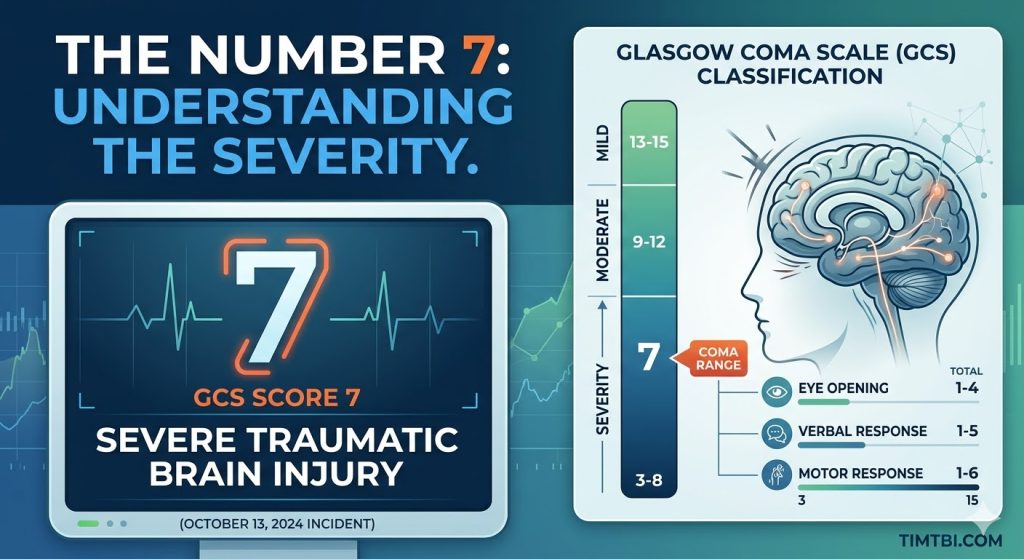
    When people ask about my TBI, they often ask how “bad” it was. In the medical world, they use a snapshot called the Glasgow Coma Scale (GCS) to measure consciousness.

    On that scale, I was a 7.

    What does a 7 actually mean?

    • The Category: It’s officially classified as Severe.
    • The State: Anything 8 or below is clinically considered a coma. At a 7, I wasn’t just “asleep”—my brain had essentially shut down its arousal systems to protect itself.
    • The Fight: A score this low usually means you can’t protect your own airway or respond to the world around you. It’s the point where doctors and machines have to take over.

    Why I’m sharing this

    I mention the “7” not for the shock value, but for the perspective. Looking at where I am today—back at work and building this site—compared to where I was on that scale is a reminder of how far the human brain can travel.

    Recovery isn’t just about getting back to “normal”; it’s about acknowledging how deep the hole was and celebrating every inch of the climb out.


  • The “S” Word Struggle: Mapping My Aphasia

    If you’ve talked to me lately, you may have noticed a few “glitches” in my speech. I might get stuck on finding a word, or I struggle to physically say a word that starts with the letter “S.” For a long time, I just knew it was frustrating. But after looking closely at my brain MRI, I finally have a “why.”

    First, What is Aphasia?

    Before we get into the details, I want to define the word I’ve been using a lot: Aphasia.

    Aphasia is a communication disorder that happens when the language centers of the brain are injured. It’s like a disruption in the “translation” between your thoughts and your voice.

    The most important thing to know is that aphasia does not affect intelligence. My brain is still “me”—I understand everything you say, I have the same thoughts, and I’m still the same guy you’ve always known. The injury just makes it harder to get those thoughts out into the world.

    The Evidence on the Map

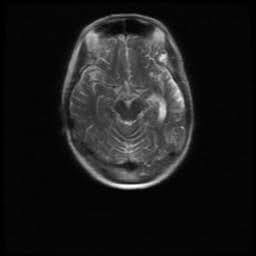
    I wanted to share a piece of my medical journey with you. If you look at the MRI image below, you’ll see a small, lighter, brighter section on the right side of the image. Because MRI images are mirrored, that is actually a scar on the front-left lobe of my brain.

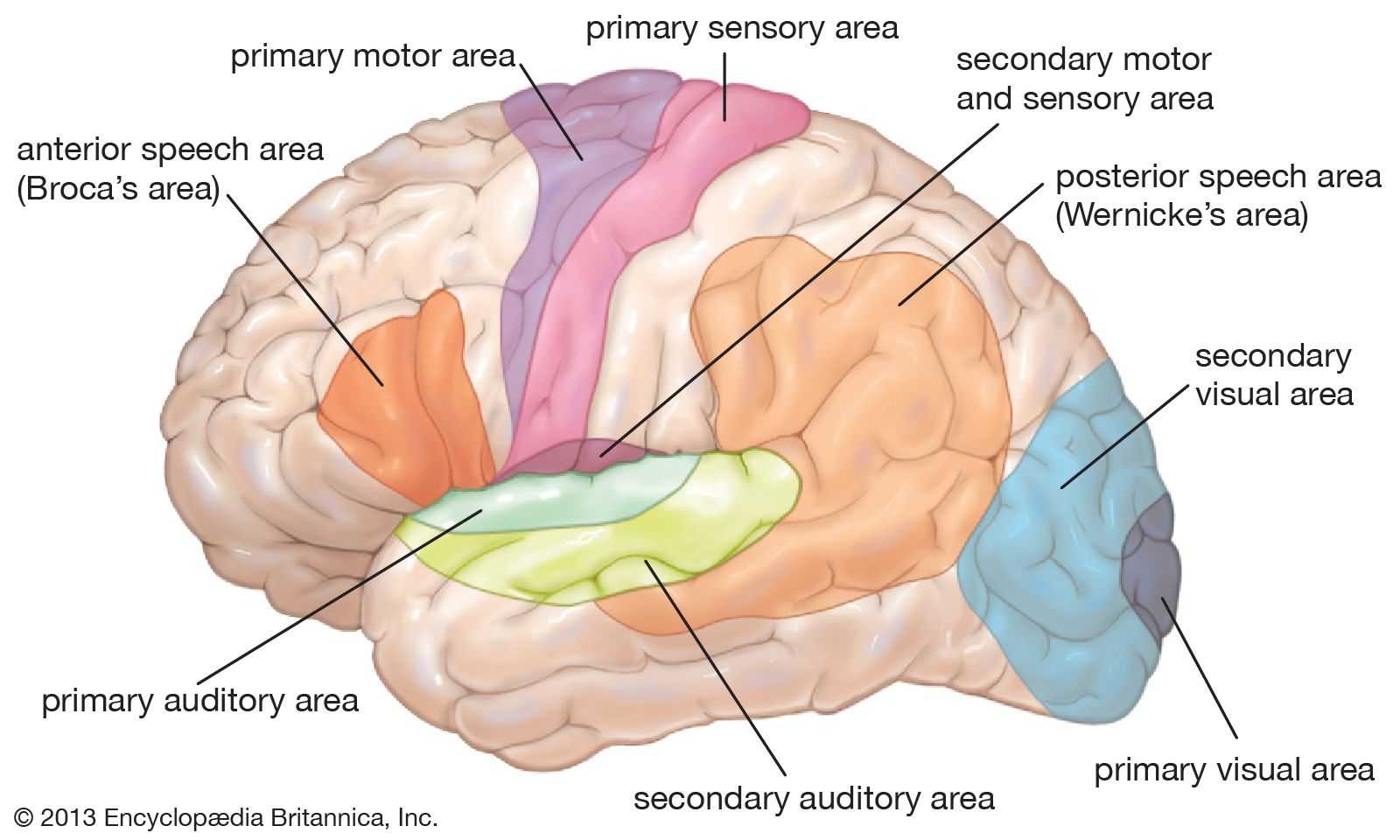
    That specific spot is called Broca’s Area. It acts as the “Command Center” for speech delivery. My “internal dictionary” is still perfectly intact, but the “wiring” used to ship those words out was damaged during my TBI on October 13, 2024.

    It’s Not My Memory; It’s My “Search Engine”

    There are two specific ways this injury shows up in my daily life:

    • Anomia (The Locked Door): This is that “tip-of-the-tongue” feeling. I know exactly what I want to say, but the gate to that word is temporarily stuck. It’s like my brain’s “search engine” is just running a bit slow.
    • Apraxia of Speech (The “S” Struggle): This is the physical side. My brain sometimes struggles to send the “motor plan” to my mouth to coordinate difficult sounds like “S.” It’s like my mouth’s “GPS” lost the signal for a second.

    How You Can Help

    The coolest thing I’ve learned is that my brain can be “jump-started.” If you see me struggling with an “S” word, making a “Sssss” sound for me actually gives my brain a blueprint to follow. I learned this during rehab with Chris and Derrick. It’s been somewhat embarrassing, but also funny to experience, knowing what’s going on. It helps me find the physical movement I need to get the word out.

    My intelligence hasn’t changed, and I’m still the same Tim—I’m just working with a slightly different operating system these days.

    I’ll keep sharing updates as I learn more about how my brain is rewiring itself. Thank you to everyone for being so patient and supportive as I navigate this.


©2026 Timpossible